Trach Care at Home: Complete Guide to Tracheostomy Care, Nursing Support and Patient Assistance
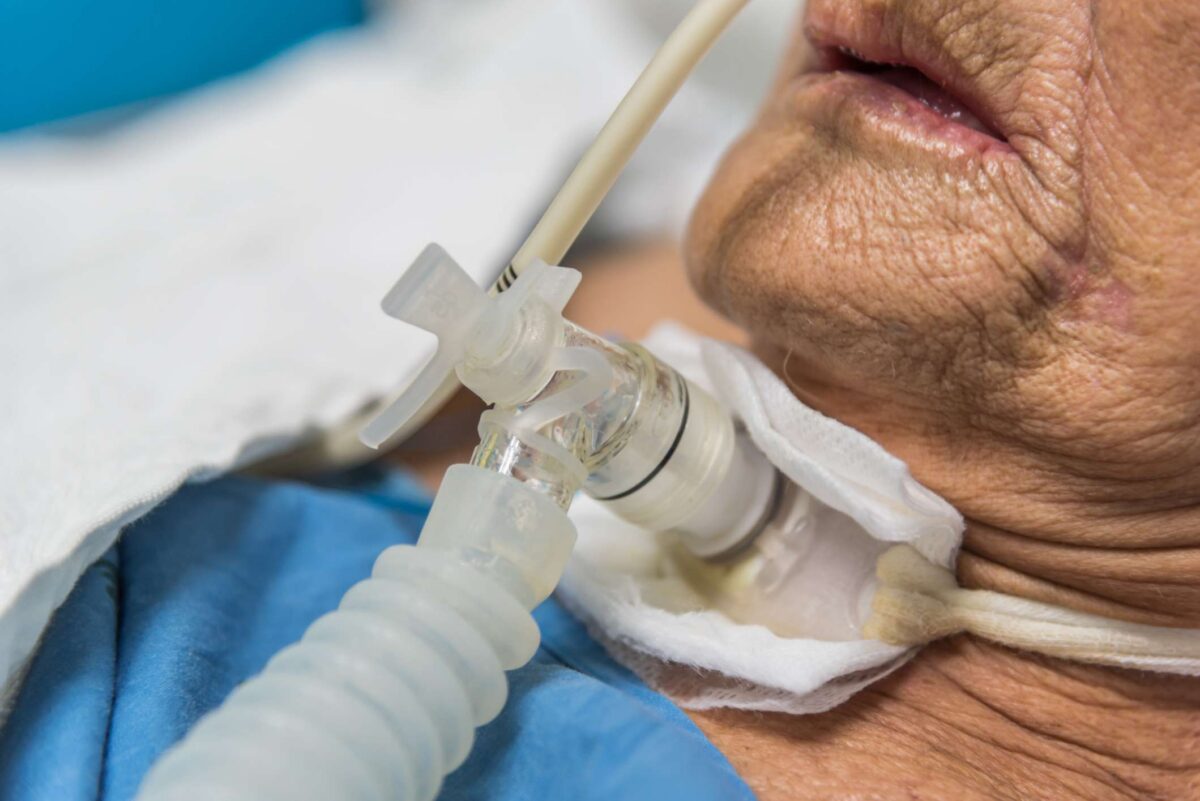
Trach Care: Professional Tracheostomy Care and Nursing Assistance at Home
Trach Care is an important part of healthcare for patients who have undergone a tracheostomy procedure and require ongoing respiratory care. A tracheostomy is a surgical opening created in the neck to provide an alternative airway through a tube inserted into the windpipe (trachea).
Patients with a tracheostomy often require regular monitoring, tube maintenance, secretion management, hygiene assistance, and specialized nursing attention. Proper care is essential for maintaining airway hygiene, reducing the risk of complications, and supporting the patient’s overall comfort.
For families managing tracheostomy patients at home, arranging professional nursing assistance can make daily caregiving responsibilities more manageable.
Vital Home Nursing Services Pvt Ltd provides home healthcare and nursing assistance for patients who require specialized care, including tracheostomy-related nursing support, patient attendants, elderly care, and general home nursing services.
What Is Tracheostomy Care?
Tracheostomy care refers to the routine maintenance and nursing assistance required by patients who have a tracheostomy tube.
A tracheostomy may be required for individuals experiencing prolonged breathing difficulties, airway obstruction, certain neurological conditions, or situations where long-term respiratory support is necessary.
Patients may require regular care to maintain the cleanliness of the tracheostomy site, manage secretions, monitor breathing, and maintain appropriate tube hygiene.
Professional tracheostomy care may involve:
- Tracheostomy tube maintenance.
- Stoma cleaning and dressing.
- Secretion management.
- Suctioning when clinically indicated.
- Monitoring breathing patterns.
- Humidification support as prescribed.
- Monitoring oxygen saturation when indicated.
- Observing for signs of infection or complications.
- Maintaining appropriate hygiene and infection-control practices.
All tracheostomy procedures should be performed by appropriately trained healthcare professionals according to the patient’s individual care plan and treating doctor’s instructions.
Why Is Proper Trach Care Important?
Patients with a tracheostomy require ongoing attention because the artificial airway needs regular maintenance and monitoring.
Inadequate tracheostomy care may increase the risk of complications such as tube blockage, infection, skin irritation, excessive secretions, and breathing difficulties.
Proper trach care helps with:
1. Airway Hygiene: Regular maintenance helps manage secretions and maintain appropriate airway cleanliness.
2. Infection Prevention: Appropriate hygiene and sterile or clean techniques, as applicable, help reduce infection risks.
3. Tube Maintenance: Regular monitoring helps identify tube-related problems that may require medical attention.
4. Skin and Stoma Care: Appropriate cleaning and dressing help maintain the skin surrounding the tracheostomy opening.
5. Patient Comfort: Proper positioning, hygiene, and nursing assistance can improve everyday comfort.
6. Early Identification of Complications: Regular observation can help identify unusual changes that require prompt medical evaluation.
Common Tracheostomy Care Services at Home
Patients who have been discharged from hospitals may continue to require specialized nursing assistance at home.
Home-based care should be arranged according to the patient’s clinical condition and the treating doctor’s recommendations.
1. Tracheostomy Tube Care
Tracheostomy tube care involves maintaining the tube according to its type and the prescribed care plan.
Nursing professionals may assist with:
- Monitoring tube positioning.
- Checking the external tube and securing arrangements.
- Inner cannula care where applicable.
- Observing for tube blockage or displacement.
- Identifying unusual secretions.
- Following prescribed tube maintenance schedules.
Tube replacement and other invasive procedures should only be performed by professionals with appropriate training and authorization.
2. Stoma Cleaning and Dressing
The stoma is the opening in the neck through which the tracheostomy tube enters the trachea.
Proper stoma care is important for maintaining skin hygiene and reducing the risk of irritation and infection.
Care may involve:
- Cleaning the surrounding skin according to clinical instructions.
- Monitoring redness and swelling.
- Changing dressings when required.
- Observing unusual discharge.
- Maintaining appropriate skin hygiene.
Any signs of infection or unusual changes should be reported to the treating healthcare professional.
3. Tracheostomy Suctioning
Some tracheostomy patients cannot clear respiratory secretions effectively and may require suctioning.
Tracheostomy suctioning is a specialized nursing procedure that helps remove accumulated secretions when clinically indicated.
Appropriately trained nursing professionals may provide suctioning according to the patient’s prescribed care plan.
Incorrect suctioning techniques can cause injury, oxygen desaturation, and other complications. It should not be performed without proper training and clinical instructions.
4. Secretion Management
Patients with a tracheostomy may experience changes in respiratory secretions due to reduced natural humidification of inhaled air.
Appropriate secretion management may involve:
- Monitoring secretion quantity and consistency.
- Following prescribed humidification arrangements.
- Maintaining adequate hydration as medically advised.
- Observing for changes in breathing.
- Providing suctioning when indicated.
Thick, discoloured, bloody, or unusually increased secretions should be assessed by a healthcare professional.
5. Respiratory Monitoring
Regular respiratory monitoring is important for patients with a tracheostomy.
Depending on the patient’s condition, nursing professionals may monitor:
- Breathing rate and pattern.
- Oxygen saturation.
- Respiratory distress.
- Changes in secretion production.
- General patient condition.
Sudden breathing difficulties, suspected tube blockage or displacement, or significant oxygen desaturation require immediate medical attention.
Who Needs Tracheostomy Care?
Tracheostomy care may be required for different categories of patients depending on their medical conditions.
These include:
- Patients recovering after major surgery.
- Individuals with prolonged respiratory support requirements.
- Patients with neurological conditions affecting breathing.
- Individuals with airway obstruction.
- Patients recovering after hospitalization.
- Bed-ridden patients requiring respiratory assistance.
- Patients with long-term tracheostomy tubes.
The duration and frequency of nursing care depend on the patient’s medical condition and treatment plan.
Benefits of Professional Tracheostomy Care at Home
For medically stable patients who have been approved for home care, professional nursing assistance can make ongoing tracheostomy management more convenient.
Some potential benefits include:
Personalized Attention: Nursing assistance can be arranged according to the patient’s individual care requirements.
Familiar Environment: Patients can receive appropriate care while staying in their home environment.
Family Support: Professional nursing assistance can help family members manage daily caregiving responsibilities.
Hygiene and Safety: Trained professionals can follow appropriate infection-control and patient-care practices.
Regular Monitoring: Nursing professionals can observe the patient’s condition and communicate concerning changes to family members and healthcare providers.
Home nursing is not a replacement for emergency or hospital-based treatment when advanced medical supervision is required.
Home Nursing Services for Tracheostomy Patients
Home nursing services can be particularly important for patients who require specialized medical assistance after hospital discharge.
Depending on the patient’s needs, a nurse at home may assist with:
- Tracheostomy tube care.
- Suctioning as prescribed.
- Wound and stoma dressing.
- Medication administration.
- Oxygen saturation monitoring.
- Catheter care.
- IV and infusion care.
- General patient nursing assistance.
Families should verify the nursing professional’s qualifications and specific experience with tracheostomy patients before arranging care.
Other Care Services at Home
Apart from tracheostomy care, families may require additional healthcare and caregiving assistance.
Vital Home Nursing Services Pvt Ltd offers a range of home healthcare service options.
1. Visiting Nurse Services
Visiting nurse services are suitable for patients who need nursing assistance at specific intervals or for particular medical procedures.
These services may include prescribed injections, wound dressing, medication administration, and routine patient monitoring.
2. Elderly Care and Elder Care Services
Elderly care is important for senior citizens who require assistance with daily activities, personal hygiene, mobility, and feeding.
An elderly care service may include:
- Bathing and grooming.
- Feeding assistance.
- Walking and mobility support.
- Personal hygiene.
- Medication reminders.
- Companionship.
- Bed-ridden patient assistance.
Families searching for elder care or reliable carers for elderly individuals can explore personalized caregiving arrangements based on individual requirements.
3. Patient Attendant Services
An attendant for patient service provides assistance with everyday activities for individuals who cannot independently manage their personal care.
Patient attendants may assist with bathing, feeding, toileting, mobility, wheelchair support, repositioning, and general daily care.
Male and female attendants may be arranged according to patient preferences and requirements.
4. Japa Maid Services
A Japa Maid provides postnatal assistance to new mothers and newborn babies at home.
Services may include newborn bathing, diaper changing, feeding assistance, burping, baby hygiene, and general postnatal support.
5. Injection at Home Service
An injection at home service provides assistance to patients who require prescribed injections without travelling to a hospital or clinic.
Injections should be administered by appropriately trained healthcare professionals following medical prescriptions and safety protocols.
Trach Care at Home vs Nursing Care Home
Families often compare home healthcare arrangements with residential nursing facilities when managing patients with specialized medical requirements.
A nursing care home provides residential support in a dedicated healthcare or caregiving facility, whereas home nursing services allow patients to receive assistance within their own homes.
The right option depends on:
- The patient’s respiratory condition.
- The complexity of tracheostomy requirements.
- Availability of trained nursing professionals.
- Family support and home-care arrangements.
- Availability of necessary medical equipment.
- The treating doctor’s recommendations.
Some medically complex patients may require hospital-level supervision rather than home-based care.
How to Choose the Right Nursing Bureau for Tracheostomy Care?
Choosing an appropriate nursing bureau is important when arranging specialized care for a tracheostomy patient.
Before selecting a home healthcare provider, consider the following factors:
1. Nursing Qualifications: Verify the qualifications and relevant professional credentials of nursing staff.
2. Tracheostomy Experience: Ask whether the assigned nurse has experience managing tracheostomy patients.
3. Clinical Training: Check familiarity with tube care, suctioning, stoma hygiene, and emergency response procedures.
4. Infection Control: Ensure appropriate hygiene and infection-prevention practices.
5. Care Plan: Discuss the patient’s specific requirements with the treating doctor and nursing provider.
6. Emergency Preparedness: Confirm that the family and assigned caregiver understand the prescribed emergency response plan.
7. Communication: Ensure that changes in the patient’s condition are communicated promptly to family members and healthcare professionals.
When Should You Seek Immediate Medical Attention?
Tracheostomy patients may occasionally experience complications that require urgent medical assistance.
Seek immediate medical attention if the patient experiences:
- Sudden breathing difficulty.
- Suspected tracheostomy tube blockage.
- Accidental tube displacement.
- Severe bleeding from the stoma.
- Sudden oxygen desaturation.
- Significant respiratory distress.
- Bluish discoloration of lips or skin.
Families should keep the treating doctor’s emergency instructions readily accessible and ensure that caregivers know the appropriate emergency response procedure.
Why Choose Vital Home Nursing Services Pvt Ltd?
Vital Home Nursing Services Pvt Ltd provides home healthcare and caregiving assistance for patients and families looking for professional nursing support.
Our range of services includes:
- Tracheostomy Care.
- Home Nursing Services.
- Visiting Nurse Services.
- Male and Female Nurses.
- ICU-Trained Nurse Services.
- Patient Attendant Services.
- Elderly Care Services.
- Japa Maid Services.
- Injection at Home Service.
- Male and Female Attendants.
We aim to help families explore suitable nursing and caregiving assistance according to individual patient requirements.
Whether you require tracheostomy nursing support, a nurse at home, an attendant for patient care, or elderly care assistance, our team can help you understand the available service options.
Frequently Asked Questions About Trach Care
1. What is trach care?
Trach care refers to the routine maintenance and nursing assistance required by patients with a tracheostomy tube. It includes tube maintenance, stoma hygiene, secretion management, and monitoring the patient’s respiratory condition.
2. Can tracheostomy care be provided at home?
Yes. Tracheostomy care can be provided at home for medically suitable patients through appropriately trained nursing professionals following the treating doctor’s care plan.
3. How often should tracheostomy care be performed?
The frequency depends on the patient’s condition, tube type, secretion levels, and medical instructions. Families should follow the individualized care schedule provided by the treating healthcare professional.
4. Why is suctioning important in tracheostomy patients?
Some patients cannot effectively clear respiratory secretions. Suctioning may help remove accumulated secretions and maintain airway patency when clinically indicated.
5. Can a patient with a tracheostomy stay at home?
Some medically stable patients can receive tracheostomy care at home if appropriate nursing support, equipment, caregiver training, and emergency arrangements are available.
6. What qualifications should a tracheostomy nurse have?
The nurse should have appropriate professional qualifications, relevant clinical training, and practical experience in tracheostomy management, suctioning, tube care, and respiratory monitoring.
7. What are the common complications associated with tracheostomy?
Potential complications include tube blockage, infection, bleeding, skin irritation, accidental tube displacement, and respiratory difficulties. Any concerning symptoms require medical assessment.
8. Can a visiting nurse provide tracheostomy care?
Yes. Visiting nurse services may be arranged for tracheostomy-related procedures when the patient’s condition and care requirements are suitable for scheduled nursing visits.
9. Is tracheostomy care required for elderly patients?
Some elderly patients may require tracheostomy care due to respiratory or other medical conditions. Their care arrangements should be based on individual clinical needs.
10. How can I arrange tracheostomy care at home?
You can contact Vital Home Nursing Services Pvt Ltd to discuss the patient’s condition, nursing requirements, preferred care schedule, and availability of appropriately trained nursing professionals.
Contact Vital Home Nursing Services Pvt Ltd
If you are looking for professional trach care, tracheostomy nursing assistance, home nursing services, or patient caregiving support, connect with Vital Home Nursing Services Pvt Ltd.
Know More Services…
Check out our Facebook Page.